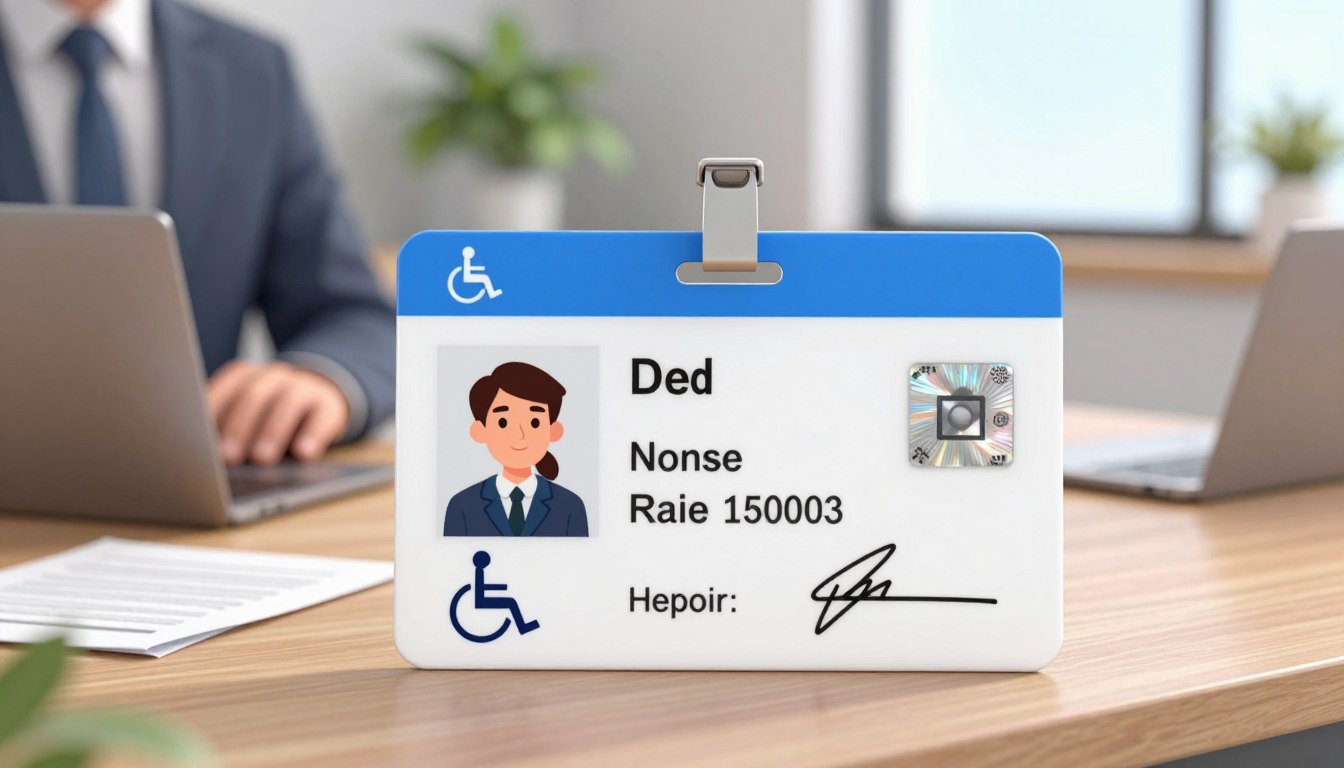
Could a single card unlock faster access to services? It could also give clearer proof of need and real savings. Where should you start the disabled identification card process?
This guide explains the eligibility for a disabled ID card. It talks about the benefits and the process in the United States. It covers what documents you need, how age and where you live affect it, and what services you can get.
For those who want an easy way, the best place to get a disability ID card is at disability-card.com. This site makes the steps clear. It also shows you the forms and evidence needed by DMVs and state disability offices.
Keep reading to find out how to get your medical records ready. Learn how to check if you’re eligible for a disabled ID card. And make the application process easy.
What is a Disabled ID Card?
A disabled ID card is a special ID from the state. It shows you need special help and services. It’s not for getting money benefits.
This card helps you get parking spots, discounts on transit, and fast access to medical services. It proves you have a disability.
Definition and Purpose
The main goal of a disabled ID card is to show your disability clearly. It makes it easier to get help and services. People use it for many things like getting into clinics faster.
States make these cards to help with everyday needs. For example, you can get cheaper transit and parking spots. It also makes doctor visits easier.
Types of Disabled ID Cards
There are many types of disabled ID cards. Each one is for different needs. They are different from driver’s licenses and show you have a disability.
Parking placards or plates let you park in special spots. You get them from your state’s DMV after showing medical proof. Other IDs are for specific services or discounts.
Some cards are for veterans or social services. They help with certain benefits. But, they don’t replace a state ID card.
Where to Obtain a Disabled ID Card
You can get a disabled ID card from your state’s DMV. Most DMVs have information on their websites. They tell you what you need and how to apply.
You can also get cards from local transit or disability services offices. Veterans get special documents from the VA.
To get a card, you need to show ID, where you live, and medical proof. You might also need to pay a fee. Always check your DMV website and call local offices for the latest info.
Eligibility Requirements for Disabled ID Cards
Before you start the disabled id card application form, review the basic rules that determine who qualifies. Rules vary by state. This short guide clarifies age limits, medical documentation, and residency or income checks you may encounter.
Age considerations
Minimum age rules differ across state motor vehicle departments. Many DMVs issue non-driver state ID cards to minors when a parent or guardian signs the application. Adults generally apply without guardianship, but some programs tied to income support set their own minimums. For example, provincial programs such as Ontario Disability Support Program require applicants to be at least 18 for full income support, though preparation can begin earlier.
When minors apply for a document that certifies disability, states may require a guardian signature or a different medical attestation. Check your state DMV guidance to confirm whether a separate process applies for applicants under 18.
Medical documentation needed
Most issuers require verification from an approved medical professional. Typical documentation states the nature of the impairment, expected duration (often one year or more), and how it restricts daily activities, self-care, work, or community participation.
Acceptable items include physician statements, diagnostic reports, discharge summaries, consultation notes, or a completed medical questionnaire supplied by the issuing agency. Some programs ask for signed consent to obtain third-party records or allow the agency to request service health records directly.
If applying with service-related or veterans’ claims, include detailed health descriptions, service records, and supporting medical evidence. Those materials make the disabled id card requirements clearer and speed review of the application.
Income and residency criteria
A disabled ID card alone usually does not require proof of income. Related benefit programs that rely on the card will check financial need and asset limits. Programs such as income support may set asset thresholds and assess household income when the card serves as supporting evidence.
State-issued disabled ID cards require proof of state residency and identity. Typical proofs include utility bills, lease agreements, Social Security records, birth certificates, or passports. Gathering identity, residency, and medical documents before starting the disabled id card application form reduces delays.
Program-specific rules differ. For example, assistance programs may use household size, income caps, and severity-of-disability criteria to determine eligibility for extra supports tied to the card.
Benefits Associated with a Disabled ID Card
The disabled ID card helps a lot. It saves time and makes things easier. It can get you to the front of the line and help you get special help in clinics.
It also makes it easier to join programs that help you. Places need to know you have a disability to help you.
Access to services and programs
With this card, you might get help with things like eye and ear care. You could also get help with dental needs. Students might get money for school and help with learning tools.
This shows how the card helps in school and health.
Financial assistance programs
This card can show you’re eligible for money help. You might get money for food, housing, or even a guide dog. It can also help with travel costs for doctor visits.
It can even help your family get more money. This is for extra medical or travel costs.
Discounts on public transportation
Many places offer cheaper or free rides if you show your card. You might need a doctor’s note to prove you need it. Local places give out special IDs and tell you how to keep them.
Make sure your card is up to date. This keeps you getting the help you need. You might need to update it every now and then.
How to Apply for a Disabled ID Card
First, check your state’s Department of Motor Vehicles website. Look for steps, forms, fees, and what medical papers you need. You’ll need to gather documents like your Social Security number, birth certificate, and utility bills. This makes the process faster and easier for renewals or other services.
Step-by-Step Application Process
1. Find out what your state needs and download the application form. Some states let you save your work and upload files.
2. Get your identity, residency, and name-change documents ready. Make sure to keep copies and digital scans where you can.
3. Get a doctor’s note from an approved professional. Ask them to fill out the DMV medical form. Include any medical reports or notes they have.
4. Send in your application and documents. You can do this in person, by mail, or online, depending on your state. Some places need you to come in for a photo or biometric check.
5. Keep track of how long it takes to process your application. If you need to, follow up with the agency. Keep your documents safe for future renewals and applications.
Common Mistakes to Avoid
Not having the right medical papers is a big mistake. Make sure the doctor is on the DMV’s list. Forgetting to include identity or residency documents also causes delays. Remember, a disabled ID card doesn’t automatically mean you get other benefits. You’ll need to apply for those separately and show you qualify financially.
Don’t forget to renew your card on time. If you miss the deadline, you might lose discounts and access to programs.
Resources for Assistance
For help, start with your state’s DMV office. They can guide you through the application and parking placard process. Disability services, Veterans Affairs, and social services can help link your card to benefits. Nonprofits and legal aid groups can also help with applications and appeals.
If you need quick help, call program hotlines or make an appointment at your local office.